Introduction to the 2024 Cheese Champion
Welcome to the anticipated journey through the scents, textures, and flavors of the world's finest cheeses. The 2024 Cheese Champion event, settled in the lush valleys of Wales, is not just a competition; it is a celebration of tradition, craftsmanship, and the delicate art of cheesemaking. Join us as we explore what makes this event a gourmet's delight and a community highlight.
The Prestigious Cheese Awards in Wales
The rolling hills of Wales provide more than just a picturesque backdrop; they are the birthplace of some of the most exquisite cheese varieties known to the epicurean world. Each year, the Cheese Champion Awards shine a spotlight on the crème de la crème of the dairy industry, bringing together artisanal producers, seasoned connoisseurs, and enthusiastic amateurs in a spirited contest of taste and aroma.
For those planning to attend this sumptuous event, finding the perfect accommodation is essential. Nestled in the heart of the action is the tranquil Richmond Hotel, where guests can relax after a day of cheese tasting. Furthermore, a visit to tophotels.com can aid in discovering other top-rated accommodations throughout Wales, ensuring a comfortable stay for each palate-pleasing experience provided by the Cheese Champion event.
Competitors from all corners of the globe converge with their finest wheels and blocks, all hoping to snag the coveted title of 'Cheese Champion'. It is not just an award; it's a badge of honor that symbolizes the pinnacle of cheesemaking excellence.

The Scoring System and Judging Criteria
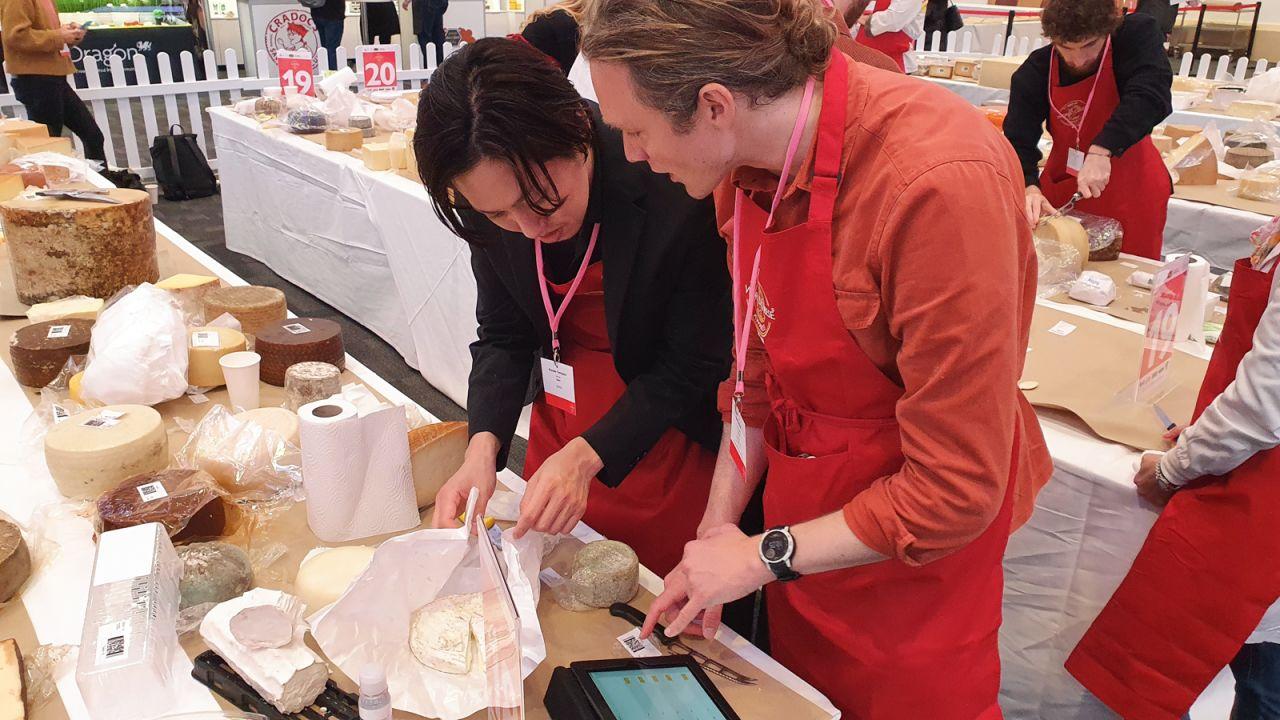
The Cheese Champion contest is rooted in a rigorous and transparent scoring system that ensures a fair shake for each entry. Judges hail from a variety of backgrounds—professional chefs, dairy scientists, food critics, and master cheesemakers—with each bringing their expertise to the panel.
Each cheese is meticulously evaluated across several dimensions that include, but are not limited to texture, flavor complexity, aroma, and the integrity of the cheese's profile as it relates to its type. Detailed scores are given in each category, then tallied to reveal the champion.

To help you understand the judging process better, here is an illustrative table showing the main categories and sub-categories assessed during the judging:
Category | Texture | Flavor | Aroma | Profile Integrity |
|---|---|---|---|---|
Sub-Category | Creaminess | Intensity | Pleasantness | Authenticity |
Max Points | 25 | 25 | 25 | 25 |
Example Cheese | Brie - silkiness | Blue - sharpness | Cheddar - robustness | Gouda - aging notes |
Comments | Consistency | Balance | Harmony | Character |
With these criteria in mind, participants prepare their entries with great care, and judges approach each tasting with a palate honed for discernment and a deep appreciation for the artistry involved. The scoring is but a guide; the true champion is decided in the culmination of these time-honored qualities.
The Path to Cheese Perfection
Selecting the Contenders for the Title
Embarking on a quest for cheese perfection is both a palate's journey and a cultural exploration. It begins with understanding the wide variety of cheeses available globally. From the pungent blue veins of a Roquefort to the smooth subtlety of Brie, each cheese offers a unique taste experience. Selecting the contenders involves not just reaching for the familiar favorites, but also diving into lesser-known regions and varieties.
Start by exploring cheeses by type – be they soft, hard, washed rind, blue, or fresh. Then, take into consideration the milk source, whether it's cow, goat, sheep, or buffalo. When choosing, consider the provenance of the cheese: the region, the climate, and the traditions that contribute to its unique flavor profile.

It's also important to learn about the aging process, as the maturation period greatly affects the texture and taste. The time cheese spends aging can transform it dramatically. A young Gouda is mild and pliable, whereas an aged Gouda becomes hard and crystalline, with deep caramel notes. As you select your contenders, aim for a variety that encompasses a range of textures, flavors, and aging techniques.
Here is a quick guide to categorizing your selections:
Type of Cheese | Milk Source | Aging Time | Region | Taste Profile |
|---|---|---|---|---|
Soft | Cow | 1-3 months | France | Creamy, Buttery |
Hard | Sheep | Over 1 year | Italy | Sharp, Nutty |
Blue | Cow | 2-4 months | England | Strong, Pungent |
Washed Rind | Goat | 2-6 months | Belgium | Earthy, Pungent |
Fresh | Buffalo | None | India | Mild, Tangy |
With your selection carefully considered and procured, you're well on your way to hosting an unforgettable cheese tasting that will take your guests on a flavorful journey through the very best that cheesemakers have to offer.
Unveiling the Winner
A Taste Above the Rest: Profile of the Winning Cheese
Welcome to a world where the senses are indulged and the spirit of gastronomy is celebrated – we introduce you to the champion of the cheese world. The winning cheese, crowned after a rigorous and comprehensive judging process, stands out not only for its unparalleled flavor profile but also for its exquisite texture, majestic aroma, and the artful craftsmanship that goes into its creation.
This cheese hails from the fertile valleys of a region renowned for its dairy heritage, where the happy cows feed on lush, verdant pastures. The result is a milk of exceptional quality – the foundation for our winning cheese's richness and depth of taste.
Artisans, who have honed their skills through generations, handcraft the cheese with meticulous care. The aging process, crucial to the cheese's character, is conducted in ancient cellars, where each wheel is turned and tended to daily, forging a perfect balance between tradition and taste.
The winning cheese, a harmonious blend of nutty and sweet flavors with subtle undertones of earthiness, strikes an impeccable balance that captivates the palate at the first bite. Creamy yet crumbly, delicate yet complex, this cheese is a testament to the mastery of cheese-making.
Cheese Profile at a Glance | |
Aspect | Description |
|---|---|
Origin | Verdant valleys of a region with rich dairy heritage |
Milk Source | Free-grazing cows on lush pastures |
Texture | Creamy yet crumbly with sublime smoothness |
Aging | Aged in ancient cellars with daily turning and care |
Flavor Profile | Blend of nutty and sweet with earthy undertones |
The judging panel acclaimed the cheese's profile as a culinary masterpiece, a cheese that exhilarates the taste buds and holds the power to transform any dish into a work of art. This is not just a cheese; it's an experience, a journey through the heritage of cheese-making. The winning cheese epitomizes not just the hard work and passion but the legacy it carries forward in each delectable morsel.
A Taste Above the Rest: Profile of the Winning Cheese
Welcome to a world where the senses are indulged and the spirit of gastronomy is celebrated – we introduce you to the champion of the cheese world. The winning cheese, crowned after a rigorous and comprehensive judging process, stands out not only for its unparalleled flavor profile but also for its exquisite texture, majestic aroma, and the artful craftsmanship that goes into its creation.
This cheese hails from the fertile valleys of a region renowned for its dairy heritage, where the happy cows feed on lush, verdant pastures. The result is a milk of exceptional quality – the foundation for our winning cheese's richness and depth of taste.
Artisans, who have honed their skills through generations, handcraft the cheese with meticulous care. The aging process, crucial to the cheese's character, is conducted in ancient cellars, where each wheel is turned and tended to daily, forging a perfect balance between tradition and taste.
The winning cheese, a harmonious blend of nutty and sweet flavors with subtle undertones of earthiness, strikes an impeccable balance that captivates the palate at the first bite. Creamy yet crumbly, delicate yet complex, this cheese is a testament to the mastery of cheese-making.
Cheese Profile at a Glance | |
Aspect | Description |
|---|---|
Origin | Verdant valleys of a region with rich dairy heritage |
Milk Source | Free-grazing cows on lush pastures |
Texture | Creamy yet crumbly with sublime smoothness |
Aging | Aged in ancient cellars with daily turning and care |
Flavor Profile | Blend of nutty and sweet with earthy undertones |
The judging panel acclaimed the cheese's profile as a culinary masterpiece, a cheese that exhilarates the taste buds and holds the power to transform any dish into a work of art. This is not just a cheese; it's an experience, a journey through the heritage of cheese-making. The winning cheese epitomizes not just the hard work and passion but the legacy it carries forward in each delectable morsel.
A Global Cheese Feast
International Participants and Cheese Varieties
Embark on a creamy odyssey that traverses the various landscapes and cultures, each with their own signature cheese. Cheesemakers from around the world offer us an enormous variety to savour. From the pungent and bold to the mild and buttery, cheese varieties are as diverse as the countries they originate from. Taste the terroir in each bite, a true reflection of the locale's climate, culture, and craftsmanship.
The global cheese mosaic presents a fascinating array of textures, flavors, and stories. A French Brie tells a tale of tradition while a sharp Wisconsin Cheddar narrates the ingenuity of America's dairyland. Each country's unique cheese offerings contribute to a grand international cheese feast that tantalizes and unites palates worldwide.
Cheese Varieties from Around the World | |||
Country | Cheese | Texture | Flavor Profile |
|---|---|---|---|
France | Brie | Soft | Buttery, Mild |
Italy | Parmigiano-Reggiano | Hard | Nutty, Savory |
Greece | Feta | Crumbly | Tangy, Salty |
Switzerland | Gruyère | Semi-soft | Sweet, Slightly Salty |
United Kingdom | Stilton | Semi-hard | Rich, Tangy, Earthy |
Spain | Manchego | Firm | Fruity, Nutty, Caramel |
Netherlands | Gouda | Hard | Rich, Buttery, Sweet |
Australia | Cheddar | Firm | Sharp, Pungent |
This table serves as just a starting point in the extensive library of cheese. Take a moment to appreciate that each entry represents not only a different type of cheese but also encapsulates the culture and culinary practices of its country. The diversity on your plate is as wide as the world itself, offering an edible journey through history and geography.
Step-By-Step Cheese Tasting
Cheese tasting is not just about biting into a wedge of your favorite gouda or cheddar; it's an art that, much like wine tasting, requires patience, practice, and a keen palette. Follow these steps to maximize your cheese tasting experience:
Observation: Begin by examining the cheese's appearance. Take note of the color, texture, and any unique visual traits such as mold veining in blue cheese.
Touch: Gently feel the cheese, checking the texture for hardness, creaminess, and crumbliness. Different textures often suggest different flavors and aging processes.
Smell: Before you take a bite, smell the cheese. Aroma can give clues to the intensity and characteristics of the cheese, and it will start to prepare your palate.
Tasting: Finally, you're ready to taste. Place a small piece on your tongue and let it melt slightly before chewing. Pay attention to the flavors that develop and how they change.
The Finish: After swallowing, consider the aftertaste. The best cheeses often have a long and evolving finish, leaving you with a lasting impression of their complex flavors.
With these steps in mind, each cheese you taste will tell its own story, delighting your senses and often transporting you to its land of origin. Now, let us venture forth into the world of cheese, seeking out both familiar comforts and new experiences alike.
Behind the Scenes of the World's Best Cheese
Delve into the luscious world of cheese, where tradition meets artistry and where every wedge tells a tale. Travel with us behind the scenes of the globe's finest cheesemakers, from the rolling hills of France to the lush pastures of New Zealand, to uncover the secrets that give the world's best cheese its crown.
Artisanal Versus Industrial: The Makers' Stories
The distinction between artisanal and industrial cheesemaking is profound, not only in the scale of production but more importantly in the philosophies and stories of the makers themselves. Artisanal cheesemakers often come from a lineage of cheese artisans, and their processes are deeply rooted in the local culture and traditions.
On the other hand, industrial cheese production focuses on consistency and quantity. The process is standardized, and the use of high-tech machinery ensures a product that meets the exact requirements every time. Despite the difference in scale and technique, both artisanal and industrial cheesemakers share a dedication to delivering quality cheese to their customers.
Comparing Artisanal and Industrial Cheese Production | ||
Aspect | Artisanal | Industrial |
|---|---|---|
Scale | Small-batch | Large-scale |
Technique | Handcrafted | Mechanized |
Flavor Profile | Complex, varying | Consistent |
Milk Source | Local, sometimes raw | Pasteurized, often from various sources |
Aging | Variable, often in natural environments | Controlled, often accelerated |
Philosophy | Cultural and traditional significance | Efficiency and uniformity |
Artisanal cheese brings with it the narrative of its origin. Each batch may tell a different story, depending on variables like the time of year, the diet of the cows, or the exact temperature and humidity in the aging room during maturation. Industrial cheese lacks these nuances but provides a reliable experience every time.
Exploring the cellars of a French affineur, conversing with a Gouda master in the Netherlands, or witnessing the stirring of a giant curd vat in a Wisconsin cheese factory, offers a glimpse into the world behind each delicious bite. The makers' stories are as rich and diverse as the cheeses they produce, and understanding the journey from milk to masterpiece can deepen your appreciation for this ancient and beloved food.
Experiencing the Aromas and Flavors
Expert Insights on Cheese Tasting
Texture and Consistency: A Critical Aspect
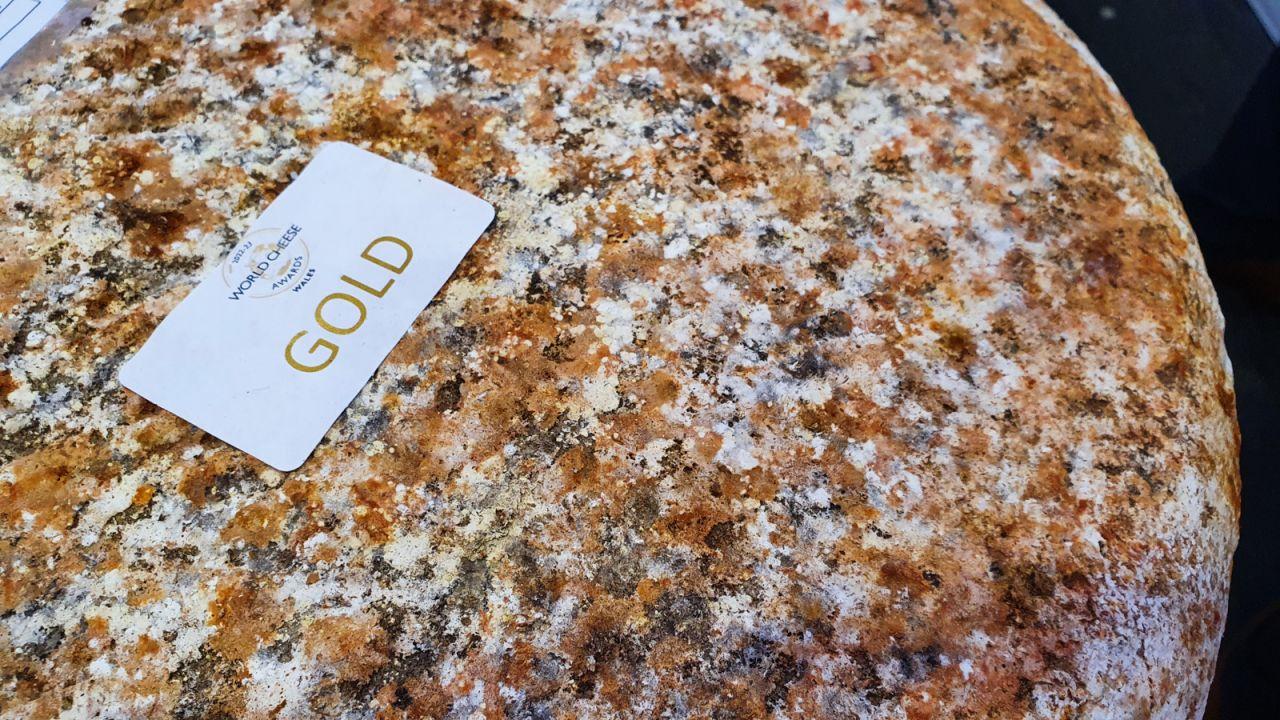
When delving into the world of cheese tasting, texture and consistency play pivotal roles in the sensory experience. The texture can range from the creamy softness of a Camembert to the hard, crystalline crunch of an aged Parmigiano-Reggiano. It's not just the mouthfeel that matters; the texture can also influence how the cheese releases its flavors.
Consistency is key to understanding a cheese's character. A cheese's firmness, elasticity, and moisture content offer insights into its aging process and milk origin. For instance, cheeses with high moisture content tend to be softer and may have a fresher, milder taste, while low moisture cheeses are usually harder and have more concentrated flavors.
Common Cheese Textures and their Characteristics | ||
Texture | Description | Typical Cheeses |
|---|---|---|
Creamy | Smooth, spreadable, and soft. | Brie, Camembert |
Semi-soft | Slightly firm but still pliable. | Havarti, Munster |
Firm | Dense and can be sliced cleanly. | Cheddar, Gouda |
Hard | Very dense and can be grated. | Parmigiano-Reggiano, Pecorino |
Crumbly | Breaks apart easily, often aged. | Feta, Blue Cheese |
To enhance your cheese tasting experience, follow these steps:
Start by examining the cheese's appearance and note the color, rind, and any visible texture.
Feel the cheese, evaluating its texture and firmness. Gently press the cheese to test its elasticity.
Smell the cheese and try to identify different aromas. This primes your palate for the flavors to come.
Finally, taste the cheese. Allow it to rest on your tongue and slowly savor the flavor as it changes and develops with each chew.
Remember, cheese tasting is as complex as wine tasting; each cheese offers a unique journey through its texture and age. Appreciating these nuances can greatly enhance your tasting experience.
Texture and Consistency: A Critical Aspect
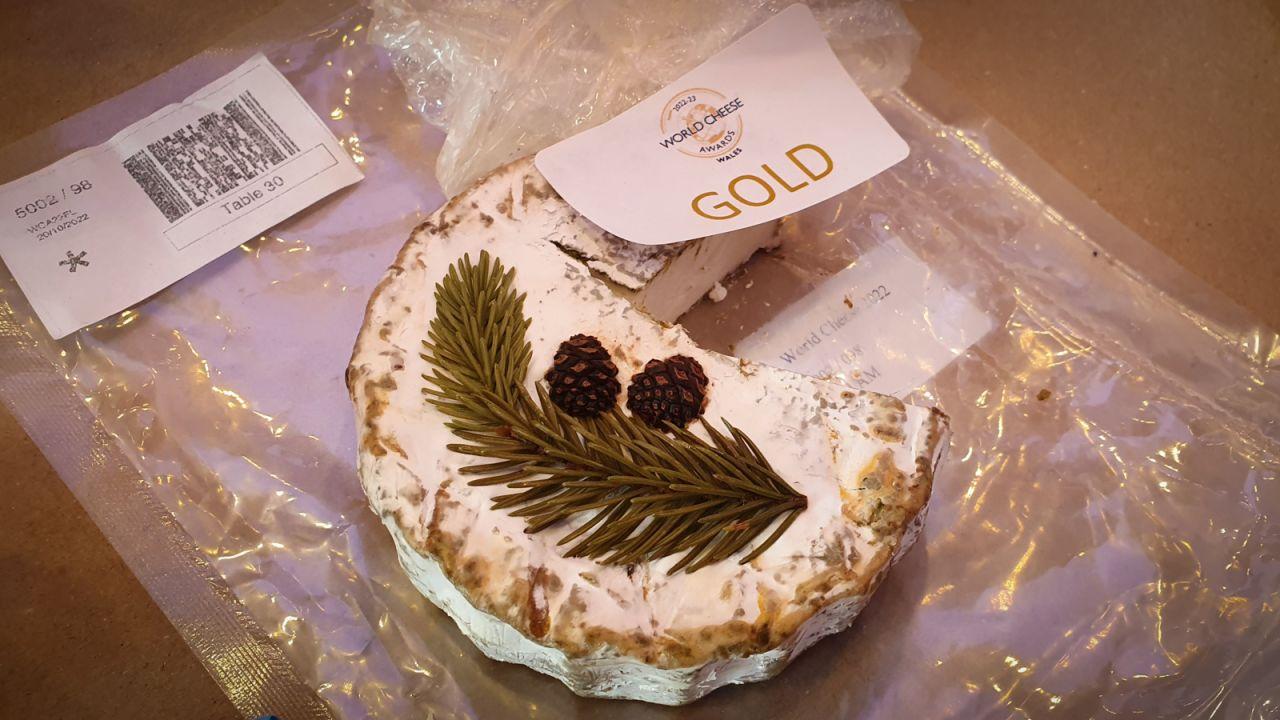
When delving into the world of cheese tasting, texture and consistency play pivotal roles in the sensory experience. The texture can range from the creamy softness of a Camembert to the hard, crystalline crunch of an aged Parmigiano-Reggiano. It's not just the mouthfeel that matters; the texture can also influence how the cheese releases its flavors.
Consistency is key to understanding a cheese's character. A cheese's firmness, elasticity, and moisture content offer insights into its aging process and milk origin. For instance, cheeses with high moisture content tend to be softer and may have a fresher, milder taste, while low moisture cheeses are usually harder and have more concentrated flavors.
Common Cheese Textures and their Characteristics | ||
Texture | Description | Typical Cheeses |
|---|---|---|
Creamy | Smooth, spreadable, and soft. | Brie, Camembert |
Semi-soft | Slightly firm but still pliable. | Havarti, Munster |
Firm | Dense and can be sliced cleanly. | Cheddar, Gouda |
Hard | Very dense and can be grated. | Parmigiano-Reggiano, Pecorino |
Crumbly | Breaks apart easily, often aged. | Feta, Blue Cheese |
To enhance your cheese tasting experience, follow these steps:
Start by examining the cheese's appearance and note the color, rind, and any visible texture.
Feel the cheese, evaluating its texture and firmness. Gently press the cheese to test its elasticity.
Smell the cheese and try to identify different aromas. This primes your palate for the flavors to come.
Finally, taste the cheese. Allow it to rest on your tongue and slowly savor the flavor as it changes and develops with each chew.
Remember, cheese tasting is as complex as wine tasting; each cheese offers a unique journey through its texture and age. Appreciating these nuances can greatly enhance your tasting experience.
Boost for the Cheese Industry
The Impact of Winning on Cheese Sales
The art of cheesemaking is an ancient practice that has ripened and matured through the centuries. Winning prestigious awards in cheese competitions often leads to a significant uptick in recognition and demand. When a particular cheese is heralded with a title, curious consumers and connoisseurs alike flock to taste the victorious wedge, crumb, or wheel.
Producers who boast accolades can experience a surge in sales, not only for the award-winning cheese but for their entire product line. The endorsement serves as a ripple effect, enhancing the reputation and perceived quality of all their offerings. This increased visibility often expands their market reach both domestically and internationally.
It is not just the sales that see a substantial boost; winning cheese can also command a higher price point. The prestige of such titles allows producers to elevate their brand, justifying the increase in cost for the premium experience promised by their now-renowned products.
Typical Sales Increase for Award-Winning Cheeses | ||||
Award | % Increase in Sales | New Markets Reached | Price Premium | Interest in Producers' Other Products |
|---|---|---|---|---|
World Cheese Awards - Gold | 200% | International | 20-25% | 150% |
American Cheese Society - 1st Place | 150% | National | 15-20% | 120% |
British Cheese Awards - Silver | 100% | Regional | 10-15% | 110% |
Global Cheese Fest - Best in Show | 250% | International | 30% | 200% |
The table above illustrates a general pattern of sales increase for cheeses that have been distinguished with various awards. As seen, the benefits are multi-faceted and can elevate a cheese producer to the forefront of the industry.
The Impact of Winning on Cheese Sales
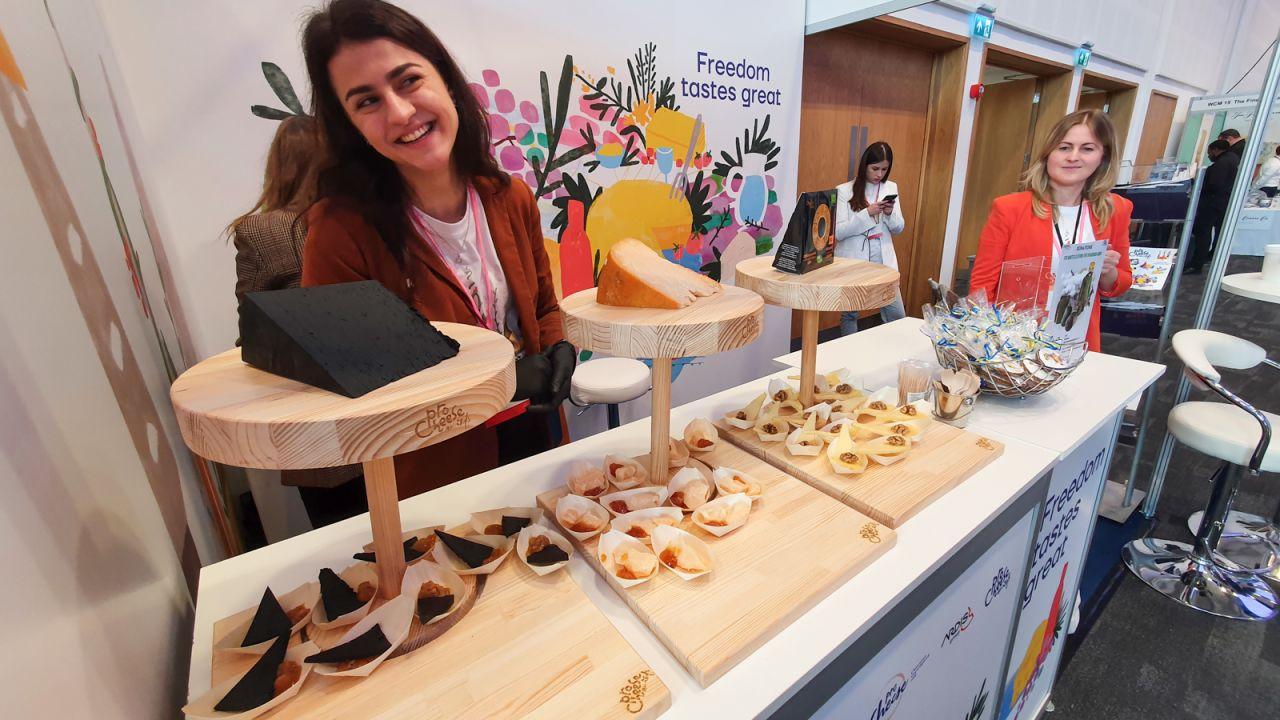
The art of cheesemaking is an ancient practice that has ripened and matured through the centuries. Winning prestigious awards in cheese competitions often leads to a significant uptick in recognition and demand. When a particular cheese is heralded with a title, curious consumers and connoisseurs alike flock to taste the victorious wedge, crumb, or wheel.
Producers who boast accolades can experience a surge in sales, not only for the award-winning cheese but for their entire product line. The endorsement serves as a ripple effect, enhancing the reputation and perceived quality of all their offerings. This increased visibility often expands their market reach both domestically and internationally.
It is not just the sales that see a substantial boost; winning cheese can also command a higher price point. The prestige of such titles allows producers to elevate their brand, justifying the increase in cost for the premium experience promised by their now-renowned products.
Typical Sales Increase for Award-Winning Cheeses | ||||
Award | % Increase in Sales | New Markets Reached | Price Premium | Interest in Producers' Other Products |
|---|---|---|---|---|
World Cheese Awards - Gold | 200% | International | 20-25% | 150% |
American Cheese Society - 1st Place | 150% | National | 15-20% | 120% |
British Cheese Awards - Silver | 100% | Regional | 10-15% | 110% |
Global Cheese Fest - Best in Show | 250% | International | 30% | 200% |
The table above illustrates a general pattern of sales increase for cheeses that have been distinguished with various awards. As seen, the benefits are multi-faceted and can elevate a cheese producer to the forefront of the industry.
Pairing and Presentation Tips
Ideas for Serving the World's Best Cheese
Cheese aficionados rejoice! When it comes to serving up the world's best cheeses, presentation and pairing are key to enhancing their delectable flavors. From the creamy Bries to the robust Manchegos, each cheese deserves its moment to shine on your tasting platter. Start by selecting a variety of cheeses that range from mild to strong in flavor, and include a mix of textures—soft, semi-soft, hard, and blue-veined cheeses create a dynamic and intriguing cheese board.
Pairing Cheeses with Fruits and Nuts
To elevate your cheese tasting experience, consider pairing with seasonal fruits and an assortment of nuts. For instance, the softness of Camembert with slices of fresh pear and the crunch of toasted almonds allows a delightful contrast in textures. Likewise, Gouda finds a sweet companion in apple slices, while walnuts complement the intense flavor of blue cheese.
Crackers and Breads
No cheese presentation is complete without the right crackers and breads. Offer a variety to cater to all palates—water crackers for their neutrality, grainy bread for its hearty texture, and slices of baguette as a universal favorite. This array ensures that each cheese can be enjoyed with the perfect canvas.
Wine and Cheese: The Classic Duo
Wine and cheese are a classic combination for a reason. The right wine can accentuate the flavors of cheese in an extraordinary way. A general guideline is to pair lighter cheeses with white wines and fuller-bodied cheeses with reds. However, the world of wine is vast and varied, so don't be afraid to experiment with different pairings to discover what tantalizes your taste buds the most.
Creating the Perfect Cheese Board
Building the ultimate cheese board is both an art and a science. Here is a step-by-step guide to crafting a visually appealing and deliciously curated cheese platter:
Choose a wide, flat board or platter as your base.
Select 3-5 cheeses with varying textures and flavors.
Arrange the cheeses on the board with ample space between them.
Add small bowls or plates with honey, jams, and mustards for dipping.
Disperse clusters of nuts and sliced fruits around the cheeses.
Include a mix of crackers and breads on the side of the board.
Label each cheese so your guests know what they're enjoying.
Provide separate knives for soft and hard cheeses to avoid mixing flavors.
Let the cheese sit at room temperature for about 30 minutes before serving.
Sample Cheese Board Layout
Cheese | Fruit/Nut Pairing | Perfect Cracker/Bread | Wine Suggestion |
|---|---|---|---|
Brie | Figs and Pistachios | Baguette Slices | Champagne |
Cheddar | Apple Slices and Pecans | Grainy Bread | Cabernet Sauvignon |
Gorgonzola | Pear Slices and Walnuts | Water Crackers | Port |
Manchego | Grapes and Almonds | Crostini | Tempranillo |
Celebrating Cheese Culture
The Social Aspect: Cheese as a Culinary Bond
Cheese, in its myriad forms, has long transcended its basic function as a food item to become a centerpiece of social gatherings and a symbol of shared tastes and traditions. Whether it's a cozy family get-together or an elegant wine-and-cheese soiree, the presence of cheese brings about an undeniable sense of camaraderie and conversation. This is because cheese pairs beautifully with a variety of beverages and foods, and its vast range of flavors and textures can entice discussions about personal preferences, regional varieties, and artisanal production methods.
As travelers, we often find cheese markets and cheese-centered events teeming with enthusiastic locals and fellow explorers alike, each drawn by the rich tapestry of the cheese culture in that area. From the fondue fests of Switzerland to the cheese-rolling competitions in England, cheese has the power to gather strangers around a shared experience, fostering an air of community and joy that is hard to replicate with any other food.
A visit to a traditional cheese-making workshop can offer a glimpse into the cultural heritage of a region and its fierce pride in its cheese-making traditions. Participating in a cheese-tasting session is not just about sampling different cheeses, but also engaging in the stories behind them—their origins, the artisans' philosophies, and the landscapes that give rise to their unique flavors.
Moreover, cheese-themed workshops and classes have emerged as popular activities for those seeking immersive experiences. Learning the art of cheese pairing or crafting your own wheel of cheese has become a new way to connect with local cultures and create edible memories that last far longer than the cheese itself.
Below is a table displaying some of the world-renowned cheese festivals from around the globe, where cheese plays the leading role in festivities that attract thousands of enthusiasts every year:
Festival Name | Location | Date | Signature Event | Approx. Attendees |
|---|---|---|---|---|
Cheese Fete of Meaux | Meaux, France | March | Brie de Meaux Exhibition | 20,000+ |
The Great British Cheese Festival | Cardiff, UK | September | Cheese Rolling & Tastings | 5,000+ |
International Cheese Awards | Nantwich, UK | July | Cheese Judging & Trade Show | 40,000+ |
Bra Cheese Festival | Bra, Italy | September | Italian Cheese Showcase | 10,000+ |
Mondial du Fromage | Tours, France | June | Global Cheese Competition | 4,000+ |
American Cheese Society Conference | Varies, USA | July | Workshops & Cheese Sale | 1,200+ |
Crémieu Medieval Festival | Crémieu, France | September | Historical Cheese Market | 3,500+ |
Cheese encourages us to step out of our comfort zones and embrace the diversity of textures, flavors, and aromas. The social aspect of cheese is truly something to be celebrated. It's not just the indulgence in the cheese itself but the shared moments that it catalyzes—connecting us with history, with artisans, and, most importantly, with each other.
Educational Journey
Workshops and Masterclasses at the Event
From Milk to Masterpiece: The Cheese-making Process
Embark on a fascinating educational journey through the art of cheese-making with our masterclass "From Milk to Masterpiece." Delve into the time-honored traditions and modern innovations that turn simple milk into a wide array of cheeses, each with its own unique flavor, texture, and history. This workshop is perfect for both cheese aficionados and culinary newbies looking to expand their knowledge and palate.
You'll have the opportunity to interact with seasoned cheese artisans and learn about the different techniques employed in creating soft, semi-soft, hard, and blue-veined cheeses. Discover the importance of ingredients, the role of bacteria and molds, and the art of aging that gives each cheese its distinctive character.
Throughout the masterclass, you will:
Witness a live cheese-making demonstration.
Understand the subtle nuances that differentiate various cheese types.
Engage in a sensory analysis to identify flavors and textures.
Experience hands-on crafting of your own mini cheese wheel.
Snapshot of Cheese-making Process Steps | |
Step | Description |
|---|---|
1. Pasteurization | Milk is gently heated to eliminate harmful bacteria and prepare for fermentation. |
2. Curdling | Rennet or acidic substances are added to milk, causing it to separate into curds and whey. |
3. Cutting the Curd | The curd is cut to specific sizes to regulate moisture content and influence texture. |
4. Cooking the Curd | Curds are then heated and stirred, further encouraging whey drainage and curd firming. |
5. Pressing | Curds are pressed into molds, shaping the cheese and removing excess whey. |
6. Aging (Affinage) | Cheese matures in controlled environments to develop flavor and texture over time. |
Not only will you take home the cheese you've crafted, but also the knowledge to appreciate the labor and love that goes into each wheel of cheese. This workshop will surely enhance your culinary skills and give you a newfound appreciation for this ancient craft.
From Milk to Masterpiece: The Cheese-making Process
Embark on a fascinating educational journey through the art of cheese-making with our masterclass "From Milk to Masterpiece." Delve into the time-honored traditions and modern innovations that turn simple milk into a wide array of cheeses, each with its own unique flavor, texture, and history. This workshop is perfect for both cheese aficionados and culinary newbies looking to expand their knowledge and palate.
You'll have the opportunity to interact with seasoned cheese artisans and learn about the different techniques employed in creating soft, semi-soft, hard, and blue-veined cheeses. Discover the importance of ingredients, the role of bacteria and molds, and the art of aging that gives each cheese its distinctive character.
Throughout the masterclass, you will:
Witness a live cheese-making demonstration.
Understand the subtle nuances that differentiate various cheese types.
Engage in a sensory analysis to identify flavors and textures.
Experience hands-on crafting of your own mini cheese wheel.
Snapshot of Cheese-making Process Steps | |
Step | Description |
|---|---|
1. Pasteurization | Milk is gently heated to eliminate harmful bacteria and prepare for fermentation. |
2. Curdling | Rennet or acidic substances are added to milk, causing it to separate into curds and whey. |
3. Cutting the Curd | The curd is cut to specific sizes to regulate moisture content and influence texture. |
4. Cooking the Curd | Curds are then heated and stirred, further encouraging whey drainage and curd firming. |
5. Pressing | Curds are pressed into molds, shaping the cheese and removing excess whey. |
6. Aging (Affinage) | Cheese matures in controlled environments to develop flavor and texture over time. |
Not only will you take home the cheese you've crafted, but also the knowledge to appreciate the labor and love that goes into each wheel of cheese. This workshop will surely enhance your culinary skills and give you a newfound appreciation for this ancient craft.
Future of Cheese: Trends and Innovations
The Next Wave in Cheese Making and Consumption
The cheese-making industry is poised for a flavorful and innovative transformation, which will redefine how enthusiasts enjoy this age-old delicacy. Traditional techniques are blending with modern science to create novel textures, tastes, and nutritional profiles. Consumers are increasingly seeking artisanal experiences, personalized flavors, and environmentally sustainable options. The trends in cheese are as varied as they are exciting, with lab-grown varieties and plant-based alternatives gaining momentum alongside handcrafted, small-batch cheeses.
A surge in food technology has opened the door to cheese products that cater to specific dietary needs without compromising on taste. Genetic editing and fermentation advancements have led to lactose-free cheeses that maintain a creamy, authentic consistency. At the same time, a push for environmental sustainability is seeing cheese producers embracing organic farming methods, reducing waste, and minimizing carbon footprints.
Furthermore, the culinary world is experiencing an intersection with data science. Cheese makers use consumer data to craft cheeses that respond to changing taste preferences, dietary restrictions, and even unique palate profiles. Personalization is not just a trend—it is the future of cheese consumption.
Innovative Cheese Types and Flavors
Experimentation with unconventional ingredients has led to a new frontier in cheese flavors and types. The table below showcases some of the vanguard offerings that are set to revolutionize cheese boards around the globe.
Type of Cheese | Key Ingredient | Flavor Profile | Origin | Dietary Notes |
|---|---|---|---|---|
Matcha Gouda | Green tea powder | Grassy, creamy with a hint of umami | Netherlands | Vegetarian |
Ghost Pepper Cheddar | Bhut Jolokia Pepper | Intense heat, sharp, tangy | United States | Vegetarian |
Saffron Infused Manchego | Saffron threads | Floral, buttery, with a nutty finish | Spain | Vegetarian |
Seaweed Brie | Dried seaweed | Salty, briny with a creamy texture | France | Vegetarian |
Step by Step: Embracing Eco-Friendly Cheese Production
Eco-friendly cheese production is no longer a niche concept but a necessary step towards a sustainable future. The following steps illustrate how producers are shifting towards greener methods.
Raw Material Sourcing: Selecting milk from organic, grass-fed animals or plant-based alternatives to ensure a sustainable starting point.
Energy Efficiency: Utilizing renewable energy sources such as solar or wind power for operations to minimize carbon emissions.
Water Conservation: Implementing water-saving technologies in the production process to reduce consumption and waste.
Waste Management: Adopting strategies for recycling whey and other by-products, turning potential waste into energy or other valuable resources.
Packaging: Choosing biodegradable or recyclable packaging materials that can be repurposed or decomposed, reducing the industry's plastic footprint.
The future of cheese is marked by innovation, inclusivity, and a profound respect for our environment. It is an exciting time for producers and consumers alike, as the boundaries of what constitutes cheese expand, and the industry as a whole leans into a more sustainable and imaginative era.
Concluding Thoughts
Reflections on the 2024 Cheese Awards
The 2024 Cheese Awards have come and gone, leaving behind an aromatic trail of camaraderie, competition, and culinary brilliance. As attendees journey home, their suitcases might be a bit heavier with local cheese varieties, but so are their hearts with cherished memories. This year's event has not only celebrated the art of cheesemaking but has also solidified the global cheese community's commitment to excellence and innovation.
The competition was fierce with artisans and cheese mongers from across the world showcasing their finest creations. From the sharp bite of vintage cheddar to the creamy caress of triple-cream brie, each entry was a testament to the dedication and passion infused in its making. The halls buzzed with excitement, as judges took on the arduous task of sampling and scoring a vast array of cheeses, each unique in flavor, texture, and presentation.
One of the most heartwarming takeaways from the awards is the spirit of sharing and learning among the participants. Seasoned cheese experts exchanged notes with budding artisans, while curious enthusiasts attended workshops and tastings to deepen their understanding of this age-old craft. It was not just a competition, but a vibrant cheese symposium that celebrated the diverse and delectable world of cheese.
Let's also take a moment to reflect on the winners of the awards, individuals who have excelled in their craft to produce the finest cheeses of the year. Amongst the many categories, here were some of the most anticipated accolades:
Category | Winner | Country | Cheese | Notes |
|---|---|---|---|---|
Best Aged Cheese | La Fromagerie Ancienne | France | Comté Reserve | Aged 24 months, nutty with a dense, creamy texture |
Best Blue Cheese | Blue Peaks Creamery | USA | Gorgonzola Piccante | Bold and spicy, with a crumbly yet velvety finish |
Best Soft Cheese | Casa del Queso | Spain | Queso de Murcia al Vino | Bathed in red wine, offering a subtle fruity tang |
Best Newcomer | The Wandering Cheesemonger | New Zealand | Hawke's Blue | A creamy, nuanced blue with hints of wild thyme |
People's Choice | Milky Meadows | Italy | Burrata Pugliese | A fresh, buttery delight with a creamy core |
As we bid adieu to this year's festivities, it is evident that the Cheese Awards have done more than highlight the best of the best. They have woven a tapestry of tales, techniques, and traditions that will inspire and influence the cheese industry for years to come. Next year's competition is already highly anticipated, with many aiming to return with renewed zest and perhaps a new secret ingredient under their belts. Until then, let the delightful flavors and memories of the 2024 Cheese Awards linger like the exquisite aftertaste of a well-aged Parmigiano-Reggiano.